The back story
Wild Andalusia: the Iberian Lynx, Doñana and the Sierras
The lynx, Doñana’s marshes and the high sierras.

Photo Credit
Image courtesy of © Christoph Moning · CC BY 4.0 via Wikimedia CommonsAndalusia’s wild side, from the Iberian lynx and imperial eagle of Doñana to the national parks of Sierra Nevada and Sierra de las Nieves, the Sierra de Grazalema and the volcanic coast of Cabo de Gata, with a directory of the parks in our guide. Facts from Spain’s Ministry for the Ecological Transition (MITECO), UNESCO and the IUCN Red List.
Andalusia is one of the wildest corners of Spain. At the mouth of the Guadalquivir, the marshes, dunes and beaches of Doñana are a stopover and wintering ground for birds from Europe and Africa; in the hills of the north and the west, the Iberian lynx is making a remarkable comeback; and the sierras of the south rise from the white villages to the snows of Sierra Nevada.
Much of it is protected, from national parks to UNESCO biosphere reserves, and the best way to see it is slowly, on authorised routes and marked trails, with a good pair of binoculars.
Doñana: marsh, dune and flyway
Doñana, in the province of Huelva, is a mosaic of beach, dunes and marshland, a stopover and wintering ground for European and African birds, and home to the Iberian imperial eagle and the Iberian lynx. It is a UNESCO World Heritage site, inscribed in 1994 and extended in 2005. Much of the park is visited on authorised guided routes, so start at a visitor centre.
The sierras and the coast
Sierra Nevada National Park protects the high mountains south-east of Granada and the Alpujarra valleys below them, with villages such as Trevélez. Between Ronda and the Costa del Sol, Sierra de las Nieves was declared a national park in 2021 and has been a UNESCO Biosphere Reserve since 1995; its pine and fir forests climb steep limestone slopes.
The Sierra de Grazalema rises between Ronda and Arcos, where some trails need a permit from the visitor centre.

Photo Credit
Image courtesy of © JABerrocal · CC BY-SA 4.0 via Wikimedia Commons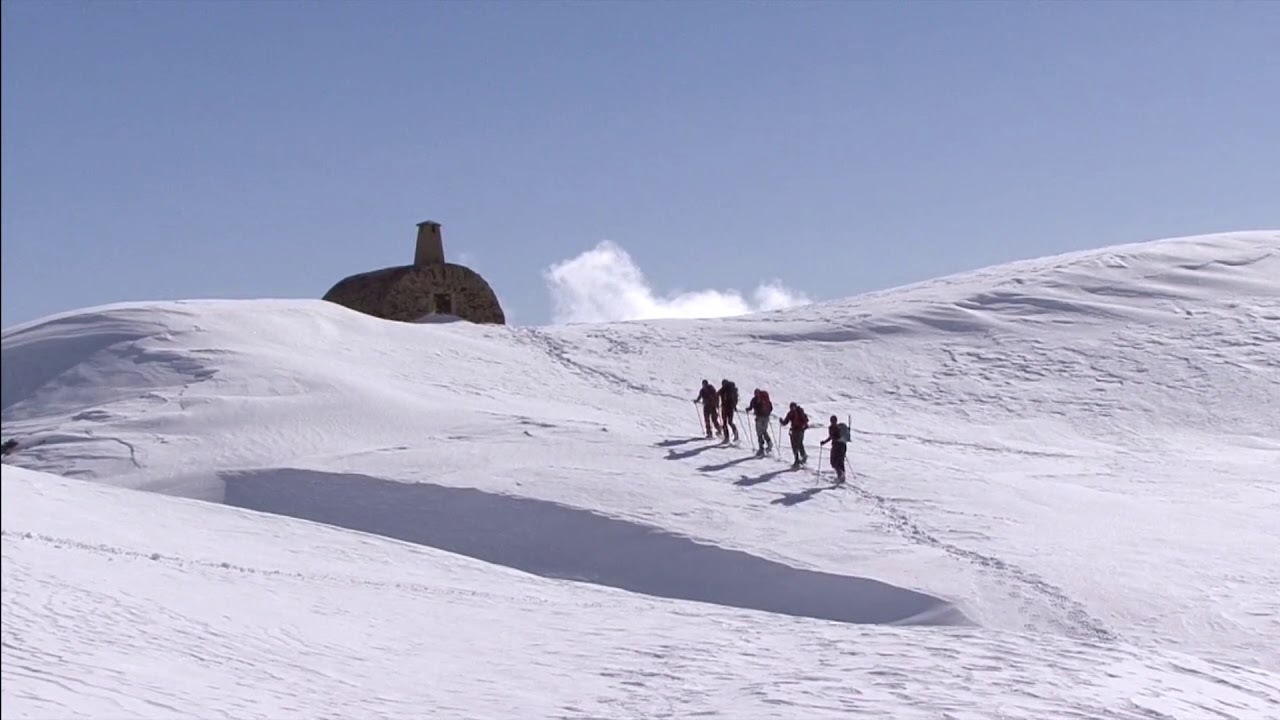
Video Credit
Video © Organismo Autónomo Parques Nacionales · plays from YouTube, which may set its own cookies once it startsIn the far east, the Cabo de Gata-Níjar Natural Park protects a dry, volcanic coastline of coves, headlands and small fishing villages, and above Antequera, El Torcal is a high plateau of sculpted limestone crossed by marked paths.
In 2001 there were just 62 adult Iberian lynx left; in 2024 the IUCN moved the species from Endangered to Vulnerable.
Feature: the return of the Iberian lynx
The Iberian lynx, with its tufted ears, spotted coat and long side whiskers, came very close to extinction. The IUCN says there were just 62 mature individuals in 2001. Breeding in captivity, releases into the wild, the recovery of the rabbits it hunts and work with landowners turned the tide: by 2022 there were 648 mature lynx, and more than 2,000 in all including the young.
On 20 June 2024 the IUCN moved the species from Endangered to Vulnerable. Road traffic and rabbit diseases remain the greatest threats, so drive slowly through lynx country, especially at dawn and dusk.

Photo Credit
Image courtesy of © Christoph Moning · CC BY 4.0 via Wikimedia CommonsDid you know? The Iberian lynx went from 62 adults in 2001 to 648 in 2022, a recovery the IUCN credits to conservation action.
Our advice
Our advice: book Doñana’s authorised guided routes in advance and bring binoculars; the birds are at their best in the cooler months. Walk the sierras early in the day with water, check whether your trail needs a permit, and drive slowly on country roads at dawn and dusk. Never feed wildlife, and leave the flowers on the hillsides.
Why it's on our list
- Doñana: marsh, dune and flyway
- The sierras and the coast
- Feature: the return of the Iberian lynx
- Our advice
Location
The map comes from Google Maps, which sets its own cookies once it loads.
More in depth
 The back storyThe NIE, the notary and the Land Registry: buying property in AndalusiaHow buying works in Andalusia.
 The back storyPalace hotels, Paradors and patio houses: where to stay in AndalusiaPalace hotels, a Parador and cliff rooms: where to stay.
 The back storyAndalusia’s MICHELIN stars: from a tidal mill in Cádiz to Córdoba’s Jewish quarterThirty starred restaurants, and how to book.